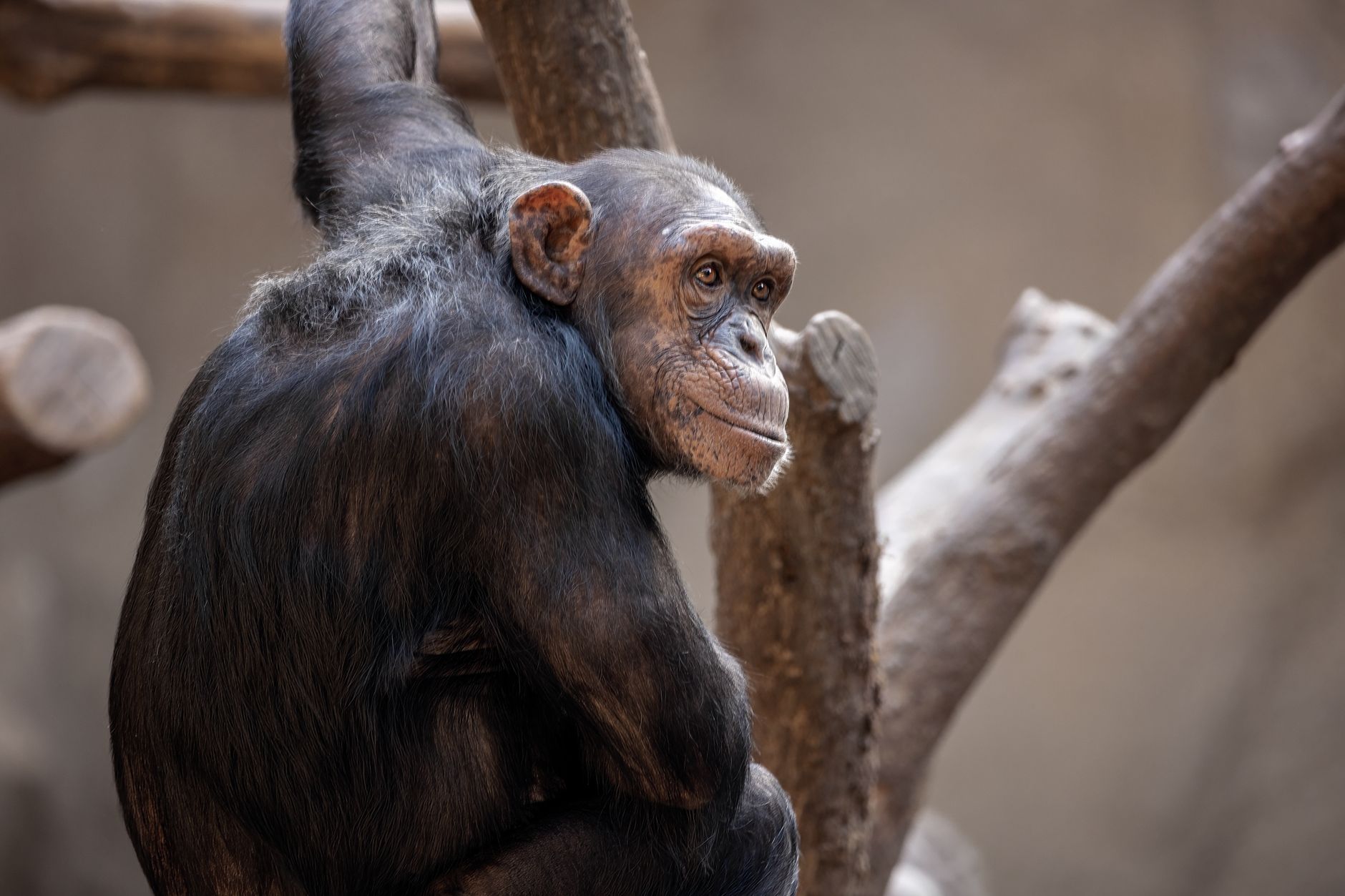
Chimpanzee tracking sits at the opposite end of an African safari from a big cat sighting. Instead of scanning open savannah, you walk beneath forest canopy, stop at soft grunts, and wait for a group of wild chimpanzees to decide what to do next. For many travelers, the deciding factor is neither time nor fitness. It is the Uganda chimpanzee trekking cost, and that figure changes by forest and itinerary. This post separates a permit fee from a realistic trip price, using clearly labeled ranges so you can compare 2026 options without surprise.
What Is the Uganda Chimpanzee Trekking Cost in 2026?
For foreign non-residents, standard permits generally fall somewhere between US$40 and US$260, depending on the forest. Longer habituation-style sessions at Kibale can run higher, often somewhere in the US$260 to US$350 range. Add accommodation, transport, meals and guiding, and a realistic multi-day trip usually lands between US$400 and US$1,600 per person. Treat every figure in this guide as an indicative range rather than a locked price. Tariffs change from year to year, and operators do not always quote the same season.
Permit fees in Uganda are sold by day and by forest. They include the activity itself, but they do not always include the same extras. At most sites, groups leave early. Once a community is found, standard observation lasts about one hour. The ranger guide is part of that time, but the vehicle that got you to the forest is not.
The market does not make price comparison easy. Some web pages advertise low starting rates and then quote a permit that is no longer current. Some official-looking documents sit online for years after a tariff change. The best fix is to read the permit line on an operator invoice and ask for a date-specific confirmation before you pay.
How Much Does a Chimpanzee Permit Cost by Forest?
Chimpanzee permit prices in Uganda range roughly from US$40 at the budget end to US$350 for the longest Kibale sessions, and the exact rate depends on the forest. Kibale costs the most, Budongo and Kyambura Gorge sit in the middle, and Kalinzu is the cheapest. Always confirm the exact rate with an operator, or directly with the Uganda Wildlife Authority, before comparing destinations, since resident rates, child rates and annual tariff changes all affect the final number.
| Forest | Tracking type | Indicative non-resident permit range | Why trekkers choose it |
|---|---|---|---|
| Kibale National Park | Standard chimpanzee tracking | roughly US$200 to US$260 | One-hour forest observation with a habituated community |
| Kibale National Park | Chimpanzee Habituation Experience | roughly US$260 to US$350 | Much longer session, close to researchers |
| Budongo Forest Reserve | Standard chimpanzee tracking | roughly US$100 to US$150 | Pairs well with a Murchison Falls safari |
| Kyambura Gorge, Queen Elizabeth National Park | Standard chimpanzee tracking | roughly US$80 to US$120 | Dramatic gorge setting, easy from Queen Elizabeth camps |
| Kalinzu Forest Reserve | Standard chimpanzee tracking | roughly US$40 to US$80 | Budget-friendly option near Queen Elizabeth |
These ranges move with the season and with currency shifts, so a written price from your operator is more reliable than a number copied from social media. For a deeper line-by-line breakdown of Kibale pricing, see our Kibale chimp trek cost breakdown.
If you want the lowest permit cost, Kalinzu usually sits at the budget end. If your route already passes northern Uganda, Budongo chimpanzee trekking can save travel time even though the permit tends to cost more. Kyambura Gorge chimpanzee trekking is a scenic option because the forest sits inside a deep erosion gorge in Queen Elizabeth National Park.
For northern itineraries, Budongo sits close to Murchison Falls. Our Murchison Falls wildlife guide often pairs the forest morning with boat-based wildlife viewing on the Nile. That combination can make a slightly higher Budongo permit worth it.
What Is Included in a Uganda Chimpanzee Trekking Permit?
A chimpanzee permit normally covers the guided forest tracking activity. At Kibale, park entry is generally bundled into the permit. It does not usually include accommodation, transfers, meals, airport transport, optional porters or other safari activities, so ask for a written list of inclusions before comparing operator prices.
Expect the tracking group to be small, but the exact maximum depends on the forest and the day. The guide handles the actual search. When chimpanzees are located, the group stays quiet and keeps a sensible distance. The permit does not guarantee a sighting, and it never covers a tip for the guide.
Permit income supports protected area management and ranger work. That is one reason the cost differs by location: forests with heavier research and tourism infrastructure often charge more. From a conservation perspective, paying the fee is a real part of the visit.
If you plan to combine chimpanzees with gorillas, do not assume your chimp operator handles the gorilla permits too. Both activities need separate dates and separate fees. Our Bwindi gorilla trek planning guide covers health rules, timing and lodge availability that affect the route, and it is worth reading before you book flights.
How Much Does a Complete Uganda Chimpanzee Safari Cost?
Allow roughly US$400 to US$1,600 or more per person for a complete Uganda chimpanzee safari, depending on trip length, group size, accommodation and transport. A typical two or three day Kibale trip with a modest lodge often falls somewhere in the US$650 to US$900 per person range. That figure includes the permit and road transfer.
A transparent package quote usually includes:
- the chimpanzee permit
- a private vehicle and driver-guide
- park entry fees that are not inside the permit
- accommodation
- meals on safari
- airport and road transfers
It usually excludes international flights, travel insurance, drinks, laundry, tips and optional activities. If an operator quotes a low number, ask which line items sit outside that price.
The biggest variable is transport. Kibale is close to a full day’s drive from Entebbe once you account for traffic, road conditions and rest stops. A two day package therefore covers little more than one night at the park. Three days gives a buffer for weather, a second forest walk at Bigodi, or a relaxed return.
From a Kenya operator perspective, the value question is about habitat diversity. If you have already spent a week on savannah game drives in Kenya or Tanzania, a Uganda chimps extension adds a completely different wildlife experience. The same package logic appears in more familiar East African routes, where transport makes up a large share of every quote. A short Uganda forest detour is not automatically expensive if your route already crosses western Uganda.
Should You Choose Kibale Standard Tracking or the Habituation Experience?
For most first-time trekkers, standard Kibale tracking is enough. It falls in the roughly US$200 to US$260 range and usually provides about one hour with a habituated community. The Chimpanzee Habituation Experience runs higher, roughly US$260 to US$350, and gives substantially longer, researcher-supported observation. Choose standard tracking for a busy schedule, and choose habituation when behavior and photography matter more than keeping costs down.
Wildlife enthusiasts often lean toward the habituation experience because the time pressure disappears. Researchers are present, and visitors stay with the chimpanzees while the animals feed, groom, rest and move. You are not simply taking a photo and leaving.
Standard tracking can still be excellent. The forest is dense, and chimpanzees do not perform for guests. If a community is moving quickly through the canopy, one hour goes fast. The habituation experience gives you the extra minutes needed to understand why a certain male is displaying or why the group paused to feed.
Photography conditions are similar on both activities. Rain forest light is low, so a fast lens and a high ISO setting help more than a long telephoto. The habituation experience creates more chances for behavior shots, but weather ultimately decides how much light you get.
When Is the Best Time to Trek Chimpanzees in Uganda?
Dry seasons generally make forest walking easier, while wet season travel can lower demand and sometimes bring better value. April, May and November are commonly cited as lower season months, but expect muddy trails and changeable weather. Since chimpanzees live in the forest all year, you are not chasing a migration.
Uganda sits close to the equator, so temperatures do not swing dramatically. Rain is the bigger factor. The two drier windows, roughly June through September and December through February, are also the busiest times for East African safaris. That means lodge prices and availability matter as much as the weather.
Travelers who want a quieter forest experience often consider the wetter months. Trails may be slick, and walking takes longer. Lower visitor numbers can make the morning feel more intimate, but a heavy downpour can delay the search or make chimpanzees harder to hear. Pack a rain shell and waterproof boots no matter which month you choose.
What Do Travelers Ask About Uganda Chimpanzee Trekking Costs?
The questions travelers ask most combine permit rates, coverage and time. The short answers below compare Uganda’s main forests, explain what a permit does and does not include, and help you decide whether the cost fits into a longer safari.
How Much Is a Chimpanzee Trekking Permit in Uganda?
Permits for foreign non-residents usually fall somewhere between US$40 and US$260 for standard tracking, depending on forest. Kibale sits at the higher end, Budongo and Kyambura Gorge in the middle, and Kalinzu at the budget end. These are indicative ranges built from current operator quotes, not fixed prices, so confirm the exact figure before booking.
How Much Is a Kibale Chimpanzee Permit?
A standard Kibale chimpanzee permit typically falls in the US$200 to US$260 range per person. The Chimpanzee Habituation Experience runs higher, roughly US$260 to US$350, and provides much longer forest time with a habituated community.
Which Is the Cheapest Place to Trek Chimpanzees in Uganda?
Kalinzu Forest is usually the least expensive option, often somewhere in the US$40 to US$80 range per person. Kyambura Gorge and Budongo cost more, but they may fit more easily into itineraries that already include Queen Elizabeth National Park or Murchison Falls.
What Is Included in a Uganda Chimpanzee Trekking Permit?
A permit generally includes the guided tracking activity and, at Kibale, park entry. It does not typically cover accommodation, meals, transfers, flights, porters or other safari activities, so always compare full package inclusions rather than permit price alone.
Is Chimpanzee Trekking in Uganda Worth the Cost?
Yes, for travelers who value forest ecology, wild primate behavior and close observation. Kibale offers the strongest premium experience, while Budongo, Kyambura Gorge and Kalinzu reduce the permit cost or fit more easily into a broader Uganda itinerary. If your main safari goal is big cats, another day on savannah may be a better use of the budget.
How Many Days Do You Need for Chimpanzee Trekking in Uganda?
Plan at least two days for a chimpanzee trip if you are traveling from Entebbe or Kampala. Three days is more comfortable if you also want to explore Kibale’s other forest walks. A one day visit works only if you already sleep near the tracking site.
Where Can You Find More Safari Planning Resources?
- Kenya national parks map from SafariPure
- Ol Pejeta Conservancy guide from Trunktrails Safaris
- Kenya tour packages from Valley Safaris
- Compare Kenya safari packages on FindMySafari
Ready to Compare Uganda Chimpanzee Safari Packages?
Once you know which forest fits your route, compare total package prices rather than only permit fees. Browse packages on FindMySafari, compare Uganda itineraries from Valley Safaris, or review options from Trunktrails Safaris. A reliable operator will send a written itinerary, confirm the permit rate for your dates, and explain exactly what is included before you commit. You can also start planning directly at touringinsights.com.